Mobility & Rehabilitation Fitness in North Bay
Your physiotherapist gave you exercises to do at home. You did them for a week. Maybe two. Then life happened. Recovery doesn’t work that way — it works when someone is in the room with you, watching your form, progressing your program, and making sure you’re rebuilding the whole body, not just the part that hurts.
The Exercises Work. The Problem Is Doing Them Alone.
Your surgeon cleared you. Your physiotherapist gave you a sheet of exercises and said, “Do these at home three times a week.” You nodded. You meant it.
Then reality: you weren’t sure if you were doing the movements right. Something felt off but you didn’t know who to ask. You skipped a day, then a week, and then the sheet ended up in a drawer.
You’re not lazy. You’re normal. Research shows that 50 to 70% of people don’t follow through on home exercise programs after surgery or injury. The exercises aren’t the problem. Doing them alone is.
That’s the gap The Next Step Fitness Centre fills. We’re not a physiotherapy clinic. We’re what comes after physio — or alongside it. A place where a certified trainer builds a program around your recovery, supervises every session, and makes sure you’re actually doing the work that gets you back to the life you want.
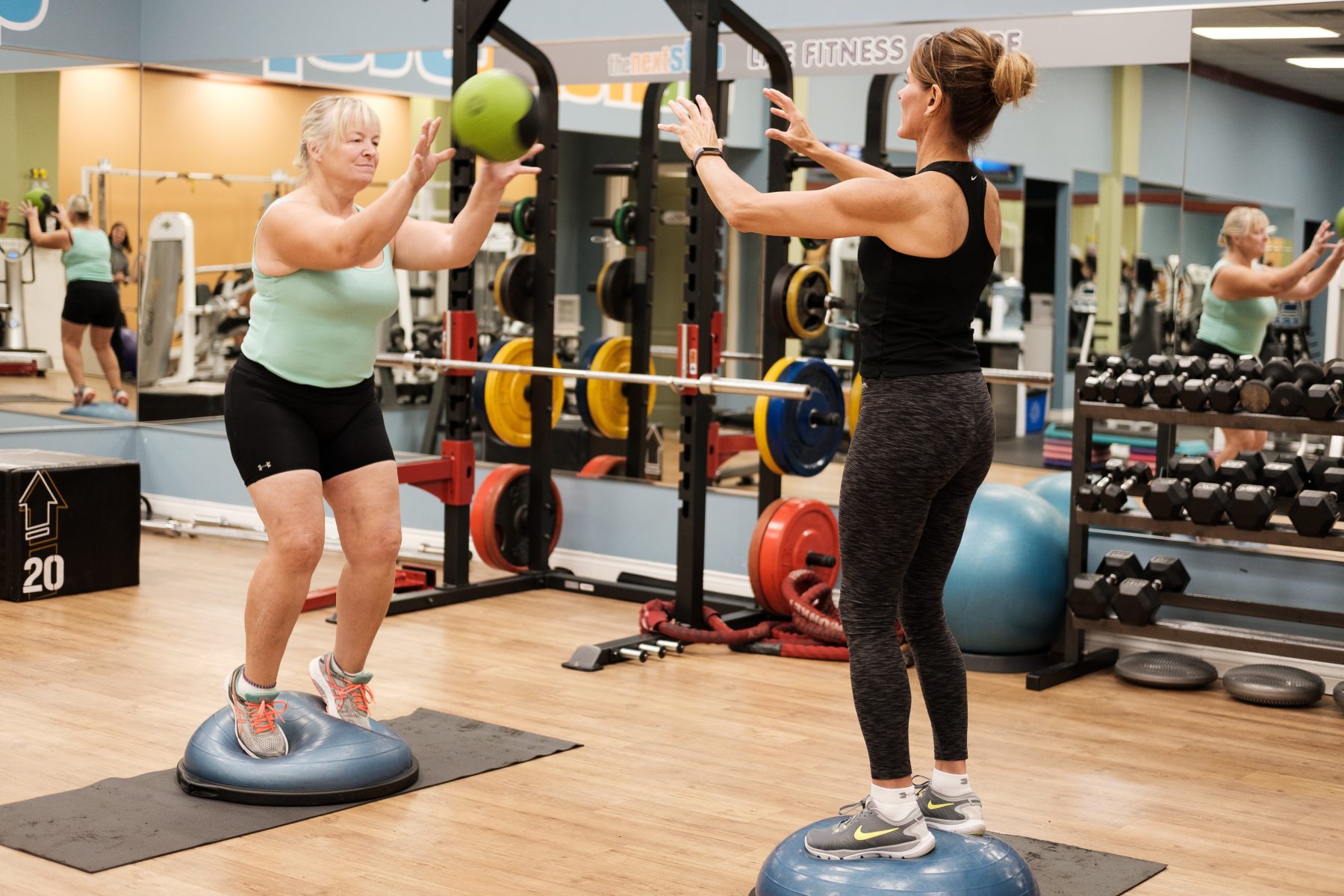
Physiotherapy Ends. Then What?
Here’s how recovery typically goes in North Bay:
You have surgery at the North Bay Regional Health Centre or a private facility. You get 4 to 8 weeks of physiotherapy — maybe at Body Back in Motion, Martel & Mitchell, Symetrics, or another local clinic. Pain decreases. Range of motion improves. You’re discharged.
And then you’re on your own.
Your physio gave you a home program. But the clinic visits are done. The accountability is gone. The progress stalls — or worse, reverses. Six months later, you’re stiff again. The knee that felt good in October aches in January. The shoulder you rehabbed can’t lift a bag of groceries overhead.
This isn’t a failure of physiotherapy. Physio does what it’s designed to do: reduce acute pain, restore basic range of motion, and get you functional. But functional and strong aren’t the same thing. The phase between “physiotherapy discharge” and “fully recovered” is where most people fall off — and it’s the phase almost nobody in North Bay is set up to support.
That’s what we built our rehabilitation fitness program for.
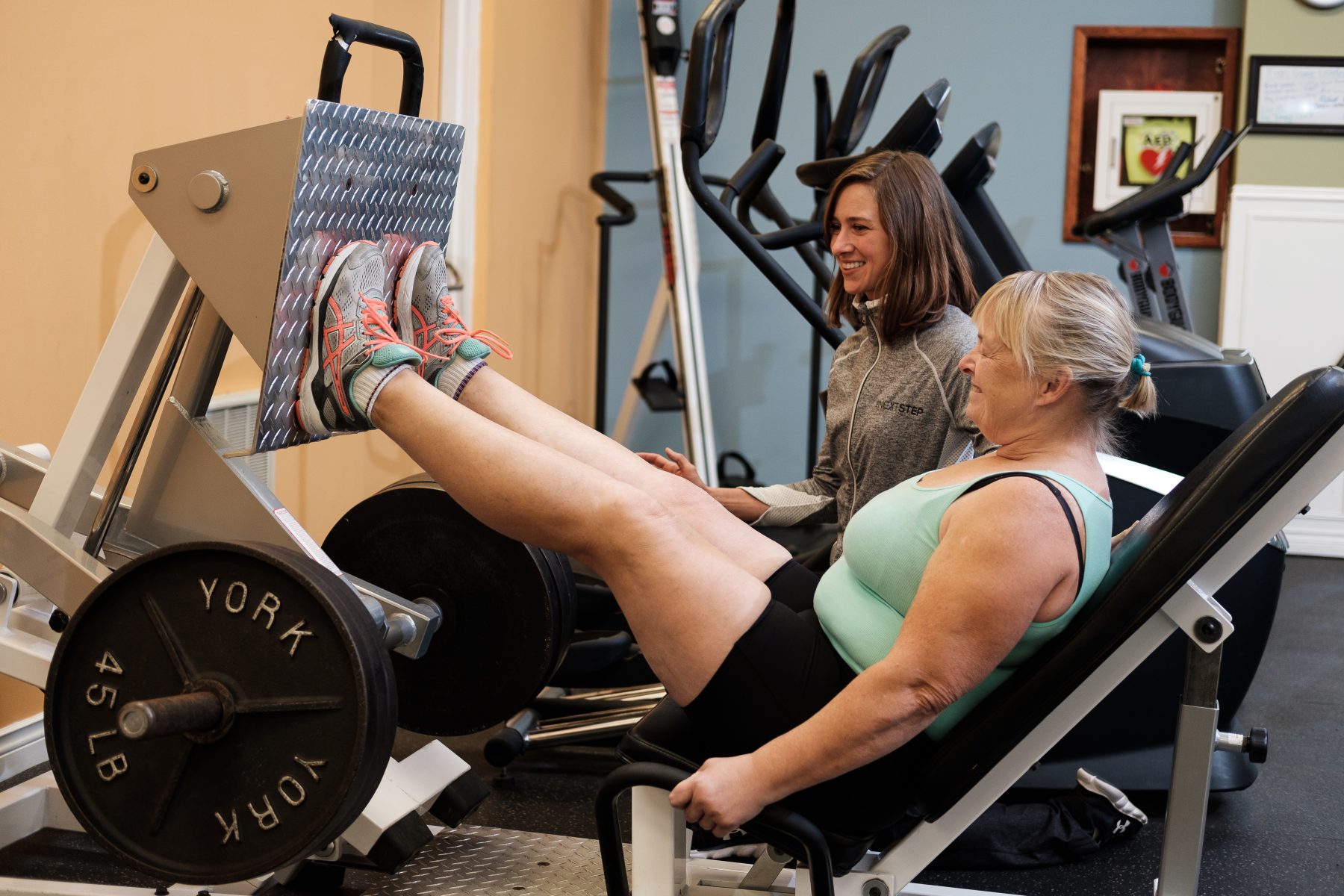
Recovery That Focuses on the Whole Body — Not Just Where It Hurts
Post-Surgical Recovery
Injury Rehabilitation
Sprains, strains, tears, and overuse injuries don’t heal properly without progressive loading. Your trainer designs exercises that rebuild the injured area while strengthening the muscles around it — so the same injury doesn’t come back six months from now.
Mobility Restoration
Stiff hips, frozen shoulders, tight lower backs, limited range of motion in your ankles and knees — mobility issues that build up over years aren’t fixed in a few stretching sessions. Your trainer takes you through targeted mobility work that progressively restores the movement you’ve lost.
Chronic Condition Management
Fall Prevention & Balance Training
If you’ve had a fall — or you’re worried about having one — balance and coordination training reduces your risk by up to 24%. In North Bay, where winter sidewalks are a hazard for five months a year, this isn’t optional. It’s protection.
From Consultation to Confident. Here’s the Process.
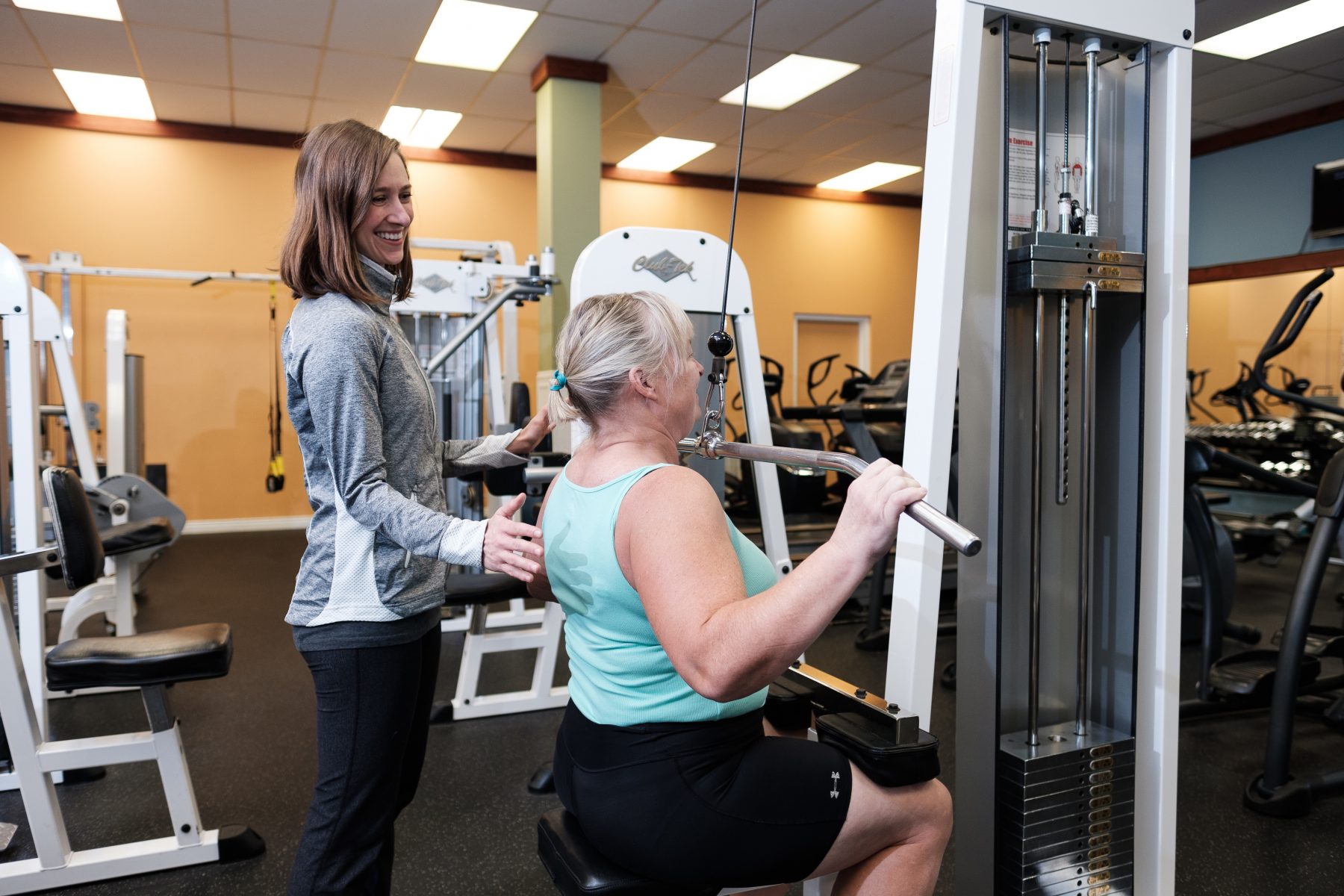
Step 1: Free Consultation
Come in and talk. No workout, no commitment. Amanda or one of our trainers sits down with you, reviews your health history, understands your surgery or injury, and discusses your goals. If we need to coordinate with your physiotherapist or doctor, we’ll do that before designing anything.
Step 2: Personalized Program Design
Your trainer builds a program based on what your body needs right now — not a template. Post-hip replacement? The first weeks focus on glute activation, gait mechanics, and gentle range of motion. Recovering from a knee surgery? We start with quad and hamstring strengthening, heel slides, and stationary cycling. Every program is different because every recovery is different.
Step 3: Supervised Training Sessions
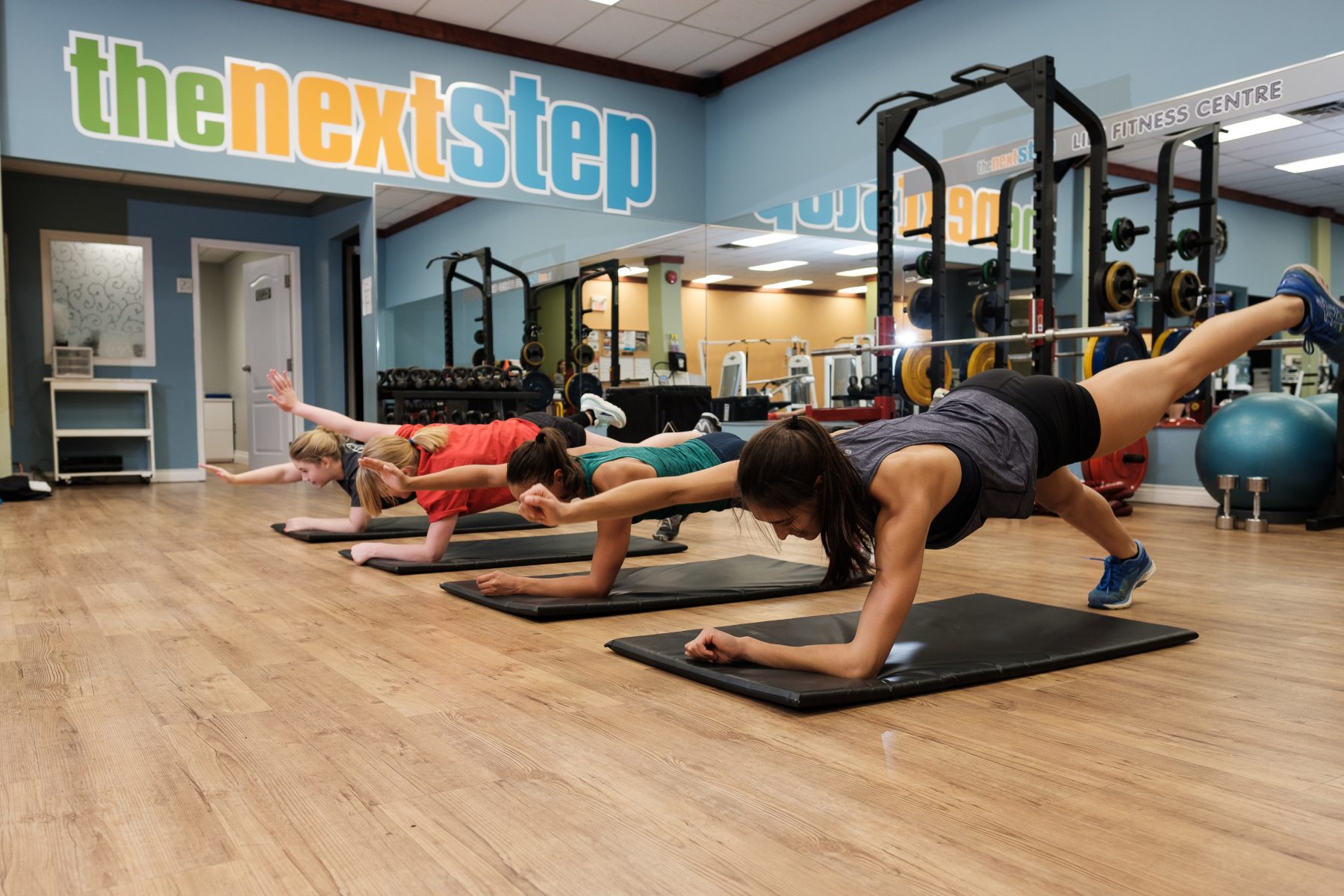
You train with your trainer watching every rep. They correct your form, adjust the load, monitor how you’re feeling, and progress the program session by session. This is where the real recovery happens — not on a printed sheet at your kitchen table.
Step 4: Progressive Overload
As you get stronger, the program evolves. More resistance. New movements. Greater range of motion. Your trainer ensures you’re always working at the right intensity — hard enough to build strength, safe enough to protect the recovery.
Step 5: Transition to Independence
The end goal isn’t training with us forever (unless you want to). It’s getting you strong enough and confident enough to maintain your fitness independently. Many clients transition from personal training to group classes, 24/7 gym access with a membership, or a combination of both.
The Team Behind Your Recovery
Amanda holds a Sports Conditioning Diploma and a Fitness & Health Promotion Diploma from Canadore College, where she finished top of her class. She’s certified through both C-SEP (Canadian Society for Exercise Physiology) and CanFitPro — the two most respected fitness certifications in Canada. She’s also CPR and AED certified.
Amanda has spent 15+ years in the fitness industry. She started at 16 as a YMCA Teen Fit volunteer, worked through college internships at GoodLife, joined The Next Step in 2010, became manager in 2018, and took ownership in 2020. She’s trained clients recovering from hip replacements, knee surgeries, shoulder repairs, back injuries, and chronic conditions for over a decade.
“Most people come to me after physio ends and they don’t know what to do next. They’re not in pain anymore, but they’re not strong either. That in-between phase is where I do my best work.”
— Amanda Hampel, Owner & Certified Exercise Physiologist (C-SEP), CanFitPro Certified
This Isn’t a Physio Clinic. And It Isn’t a Regular Gym.
Physiotherapy clinics are clinical. They’re designed for the acute phase — reducing pain, restoring basic function, and getting you through the first few weeks after surgery. When that phase is done, they discharge you.
25 years in North Bay. 4.9 stars on Google. 2 million dollars in liability insurance. We take this seriously because your recovery depends on it.
What Members Say About Training Here
Common Questions About Mobility & Rehabilitation at The Next Step
When can I start training at The Next Step after surgery?
It depends on the surgery and your surgeon’s clearance. Most clients begin with us 4 to 12 weeks post-op, once physiotherapy has restored basic range of motion. Some start while still attending physio to add supervised strength work. During your free consultation, we’ll review your timeline and coordinate with your healthcare provider if needed.
Is The Next Step a physiotherapy clinic?
No. We’re a fitness centre with certified trainers (C-SEP, CanFitPro) who specialize in rehabilitation-focused exercise. We don’t replace physiotherapy — we’re what comes after it. Think of us as the bridge between clinical rehab and everyday fitness. We work alongside your physio, chiropractor, or doctor, not in place of them.
Why don’t home exercises work for most people?
Research shows that 50 to 70% of patients don’t follow through on home exercise programs after surgery or injury. The reasons are predictable: unclear form, no accountability, no progression, and no one to answer questions when something doesn’t feel right. Supervised training at a gym solves all four problems.
What conditions can your trainers work with?
Our trainers work with clients recovering from hip replacement, knee replacement, shoulder surgery, back surgery, ACL injuries, rotator cuff repairs, sprains, strains, and chronic conditions including arthritis, osteoporosis, and diabetes. Amanda Hampel holds a Sports Conditioning Diploma and Fitness & Health Promotion Diploma in addition to her C-SEP and CanFitPro certifications.
Can my physiotherapist coordinate with your trainers?
Yes — and we encourage it. We’re part of a wellness partner network in North Bay. If your physiotherapist wants to share notes, treatment goals, or exercise guidelines, we’ll incorporate that directly into your training program. Coordinated recovery is better recovery.
I’m not recovering from surgery. I’m just stiff and losing mobility. Can you help?
Absolutely. Many of our clients aren’t post-surgical at all. They’re adults in their 40s, 50s, 60s, and beyond who’ve noticed their hips are tighter, their shoulders don’t move like they used to, or getting off the floor takes more effort than it should. Mobility training is one of our core offerings — no injury required.
Do I need a membership?
No. Personal training sessions are available without a membership. You can also add a membership later for 24/7 gym access between supervised sessions. No contract, no sign-up fee, no cancellation fee on any option.
What does a typical rehabilitation session look like?
Your trainer starts with a check-in: how are you feeling, any new pain, how did the last session go? Then you move through a structured program — warm-up, targeted exercises for your recovery, whole-body strengthening, and a cool-down. Sessions are 30 or 60 minutes. Everything is tracked so your trainer can adjust the program as you progress.
Where is The Next Step Fitness Centre?
1370 Regina St, North Bay, Ontario. Free parking, accessible facility. Call 705-475-0724, email thenextstepgym@gmail.com, or book your free consultation online.